Certified Translation: How Does It Work in the USA?
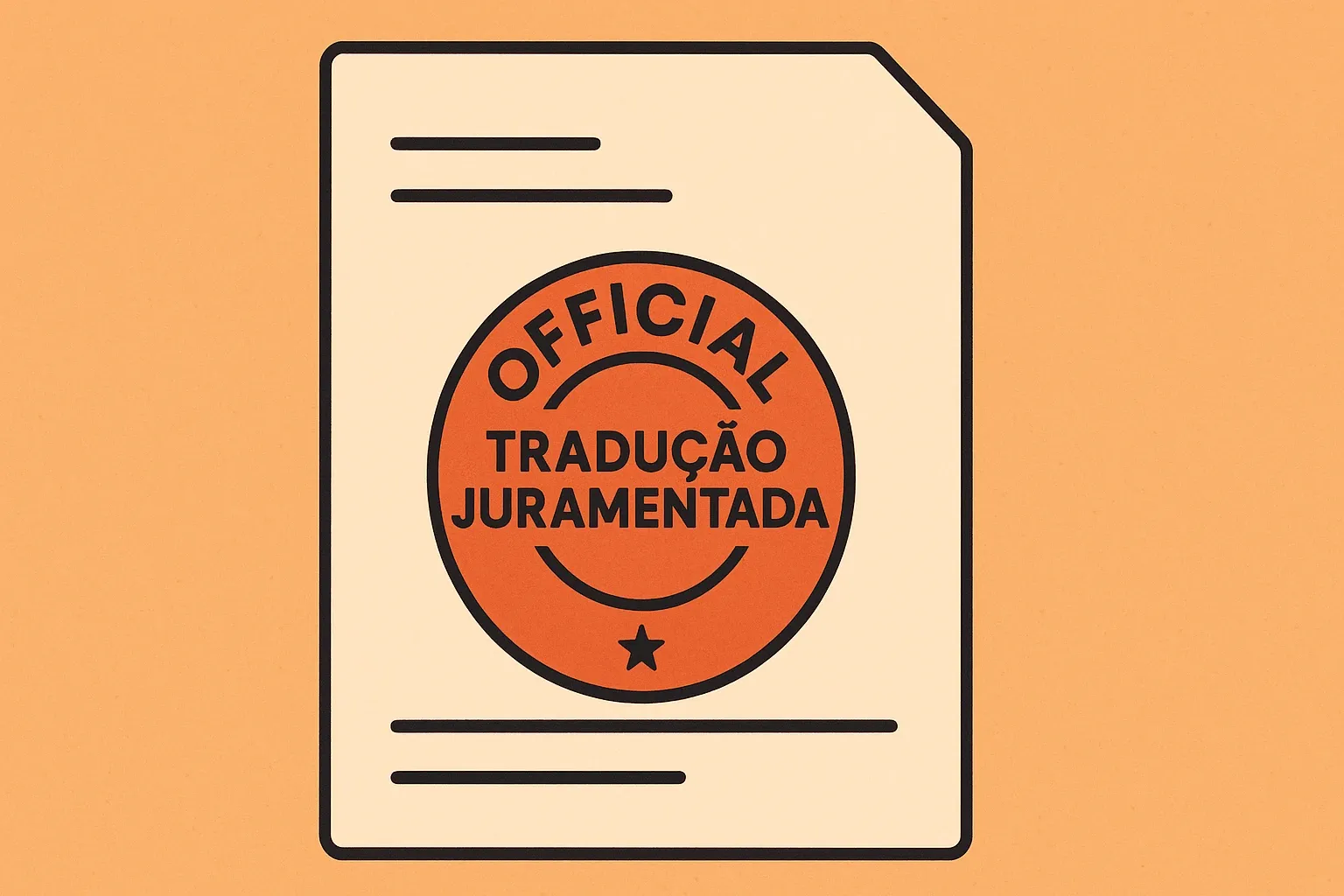
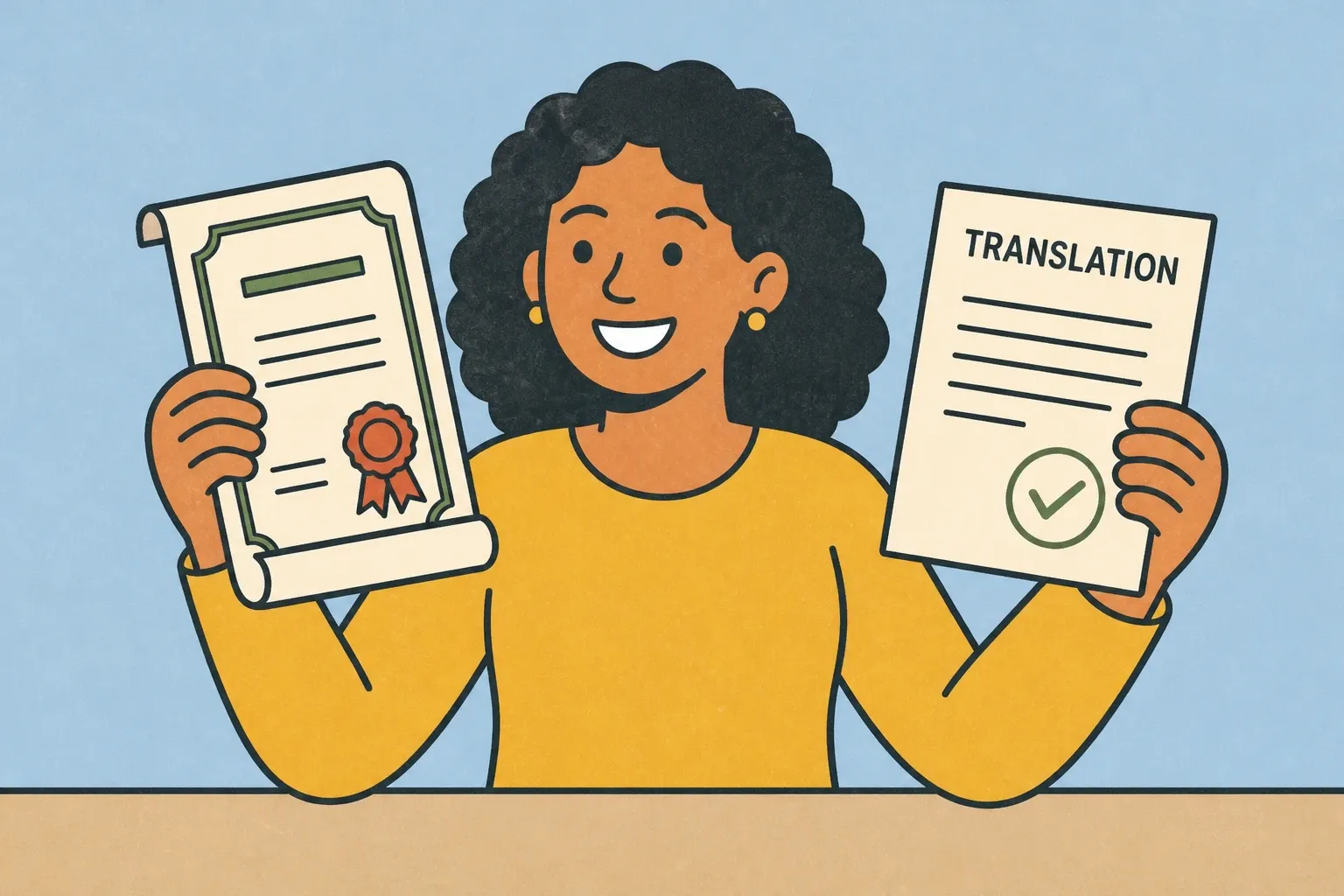
When we talk about the translation of official documents, it is common to hear the term “sworn translation” in Brazil. However, in the United States, the process is somewhat different. Although there is no exact concept of “sworn translation” as we know it, many government agencies, universities, and institutions require certified translations and, in some cases, notarized translations ( notarized). A certified translation is one accompanied by a formal statement from the translator, attesting that the translation is accurate and complete in relation to the original document. A notarized translation, on the other hand, is a certified translation whose translator’s signature has been notarized. This adds an extra layer of authenticity to the document, especially for legal and official processes.
Some examples of documents that typically require certified or notarized translation include:
·Birth and marriage certificates
·Academic diplomas and school records
·Contracts and powers of attorney
·Immigration documents
·Documents for legal proceedings
It is important to note that each institution may have specific requirements for accepting translations. Therefore, relying on a professional service is essential to ensure that your documentation is accepted without issues.
What USCIS requires from a translation
For immigration cases, USCIS asks that every document in another language come with a full English translation. The translator signs a statement saying they are competent to translate from the original language into English and that the translation is complete and accurate. USCIS does not require the translation to be notarized.
“Full” means the whole document: stamps, seals, annotations and margin notes must be translated too. A partial translation or a summary can lead to a Request for Evidence (RFE) and delay the case.
Certified, notarized or sworn?
| Type of translation | Where it is used | Who does it |
|---|---|---|
| Certified | US: USCIS, courts, schools and universities | A translator who signs the accuracy statement |
| Notarized | US, when the institution asks for a notarized signature | A translator, with the signature notarized by a notary public |
| Sworn (tradução juramentada) | Brazil | A public translator registered with a Brazilian Junta Comercial (state commercial registry) |
What about using a US document in Brazil?
The other direction follows Brazilian rules. A US birth certificate, for example, needs an apostille in the US and, in general, a sworn translation to take effect in Brazil, such as when a birth or marriage is registered at a cartório. Learn more in how to apostille a US birth certificate for use in Brazil.
Certified translation with Pontal Brazil
We do certified translations from Portuguese to English and English to Portuguese at our office in Newark, NJ, and we also serve clients in other states: you send a photo or scan of the document and receive the translation by email. See the documents we translate or request a quote.
Updated on November 14, 2026