When to Apostille a Document in the US: Complete Guide
What is the Hague Apostille and why does it exist
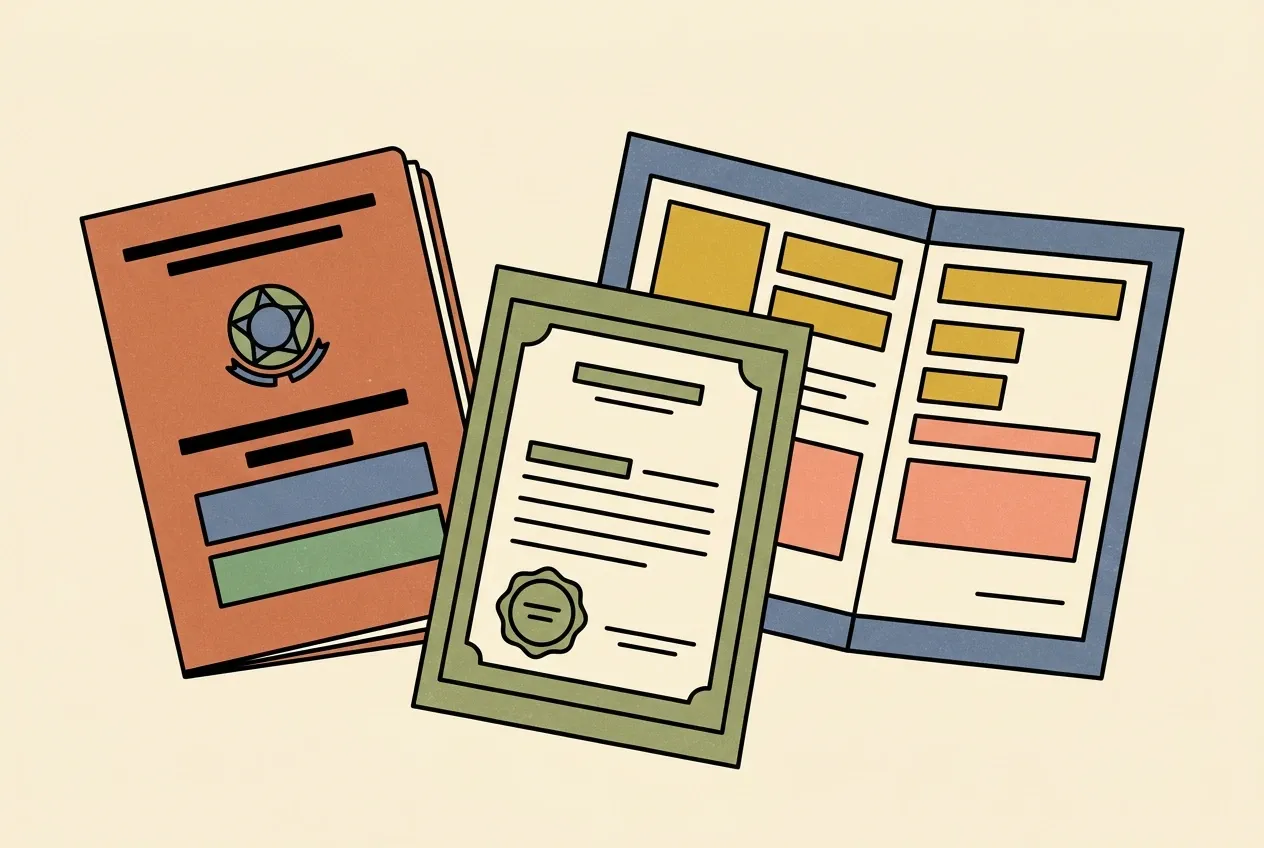
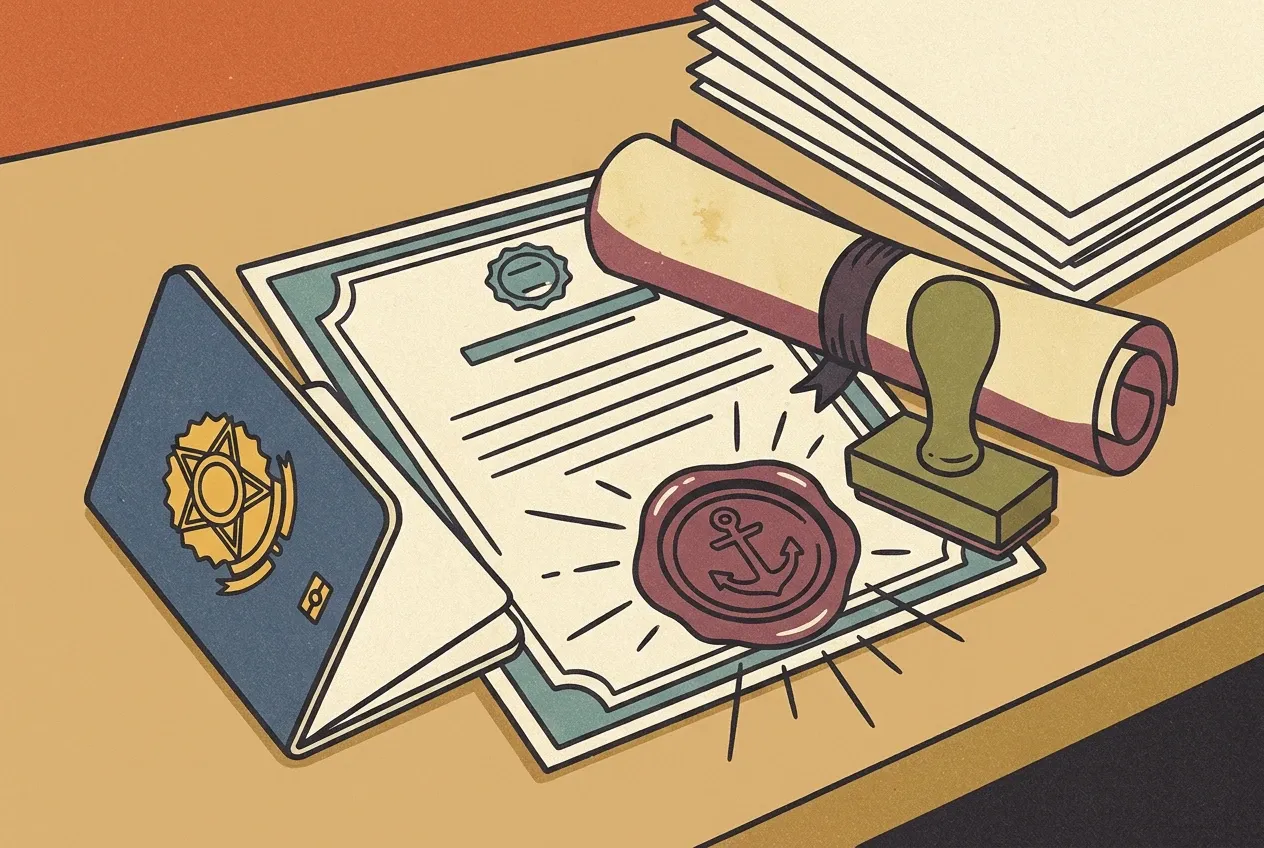
The Hague Apostille is an international authentication certificate established by the Apostille Convention, signed in 1961. It confirms that a public document issued in one country is legitimate and can be recognized in another member country of the convention — without going through a lengthy consular legalization process.
Think of it as a “passport” for your documents: without it, a Brazilian birth certificate may simply not be accepted in Italy, Portugal, Germany, or any other country that requires this validation. Both Brazil and the United States are signatories to the convention, which makes life much easier for those living between the two countries. If you’d like to understand the concept in more depth, we have a full post on what apostillization is.
When you need to apostille a document: life-changing moments
Knowing when to apostille a document in the US — or in Brazil — is essential to avoid missing deadlines at important moments. The most common situations include:
- Applying for Italian or Portuguese citizenship: Dual European citizenship applications require apostilled birth, marriage, and death certificates. Without this seal, the process simply cannot move forward. Learn more about dual citizenship.
- Having a degree recognized abroad: If you hold a Brazilian diploma and want to use it in the US or Europe, it will likely need an apostille — and often a certified translation as well.
- International marriage: Getting married in another country generally requires that your birth certificate and personal documents be apostilled.
- Enrolling in a foreign university: Institutions outside Brazil typically require apostilled diplomas and transcripts to validate your academic background.
- Legal and immigration proceedings: Powers of attorney, contracts, and other legal documents used outside the issuing country may also require an apostille. Read more about how to legalize Brazilian documents for use in the US.
The most common documents that require an apostille
According to the Brazilian government’s Consular Portal, any public document can receive an apostille. The most frequently requested ones are:
- Apostilled birth certificate
- Marriage or divorce certificate
- Diploma and academic transcripts
- Driver’s license
- Criminal background check
- Powers of attorney and notarized contracts
A common question: does an apostilled birth certificate have an expiration date? The apostille itself does not expire, but the underlying document may be rejected if it is outdated or if the receiving institution requires a recent copy. It is always worth confirming with the organization that requested the document.
Documents issued in Brazil vs. documents issued in the US: who apostilles each one?
This is a very important distinction: each country apostilles only the documents it has issued itself.
- A Brazilian diploma, a Brazilian birth certificate, or a power of attorney drawn up in Brazil must be apostilled in Brazil — by notary offices authorized by the CNJ (Brazil’s National Council of Justice).
- An American diploma, a certificate issued in New Jersey, or any other US public document must be apostilled here in the US — by the government of the state where the document was issued or by the Department of State, as outlined by the U.S. Department of State.
This means it is not possible to apostille a Brazilian document directly from the US — but there are ways to manage this process remotely, and that is exactly where a specialized agency makes all the difference.
Common mistakes that delay the process and how to avoid them
According to apostille specialists, some frequent errors include:
- Apostilling a copy instead of the original: The apostille must be placed on the original document or on a notarized copy.
- Forgetting the translation: Many countries require that an apostilled document be accompanied by a certified translation into the local language.
- Not checking what the receiving institution requires: Each institution or country has its own rules about which documents need an apostille and in what format.
- Waiting until the last minute: The process can take days or weeks depending on the notary office or US state involved.
How Pontal Brazil can help you apostille your documents without the hassle
At Pontal Brazil, we understand that apostilling a document is about much more than paperwork — it is the step that opens the door to an important milestone in your life. Our team helps Brazilians in the US understand which documents need an apostille, guides them through the process, and handles all the practical details, including certified translation when needed.
Whether you are pursuing European citizenship, getting a degree recognized, getting married abroad, or navigating any process that requires internationally recognized documents, reach out to our team. Explore our apostille service and take the next step with confidence.