Travel Authorization for Minors: What You Need to Know

What Is a Travel Authorization for Minors?
A travel authorization is an essential document when a minor needs to travel without both parents or legal guardians present. Whether the child is visiting relatives in Brazil, going on a school trip, or simply returning to their home country, this authorization ensures they can board and arrive at their destination safely and legally.
In Brazil, border authorities and airlines take this requirement very seriously. That is why it is crucial to understand everything involved in this process before any trip is planned.
Different Ages, Different Rules
The requirements vary significantly depending on the child’s age and who will be accompanying them. Generally speaking, there are three main scenarios to consider:
-
Minors traveling completely alone: Children who travel without any responsible adult will, in most cases, need to use the unaccompanied minor service offered by airlines. This service is typically available for children ages 5 and up, and a flight attendant is assigned to look after the child throughout the entire flight. Each airline has its own policies and age ranges for this service, so it is important to check the airline’s rules well in advance.
-
Minors traveling with only one parent: When a child travels with just one parent, the other legal guardian is usually required to provide a signed authorization. This authorization must be formally notarized and, depending on the destination, may require additional authentication.
-
Minors traveling with other relatives or third parties: Grandparents, aunts, uncles, godparents, or any adult who is not the child’s parent also need a formal written authorization signed by the child’s legal guardians.
Every Country Has Its Own Requirements
One important point that many families overlook is that requirements differ from country to country. What is needed for a Brazilian child to travel to the United States may differ from what is required for travel to Brazil, Portugal, or another destination.
Furthermore, even within the Brazilian process itself, the documentation required can change depending on factors such as the parents’ marital status, whether one of the guardians is deceased, or whether a court-ordered custody arrangement is in place. There is no one-size-fits-all answer — every situation must be assessed individually.
Airlines also impose their own policies on top of government requirements, making it even more important to gather accurate information ahead of time.
What the Process Typically Involves
While every case is unique, several steps are common across most travel authorization processes for minors:
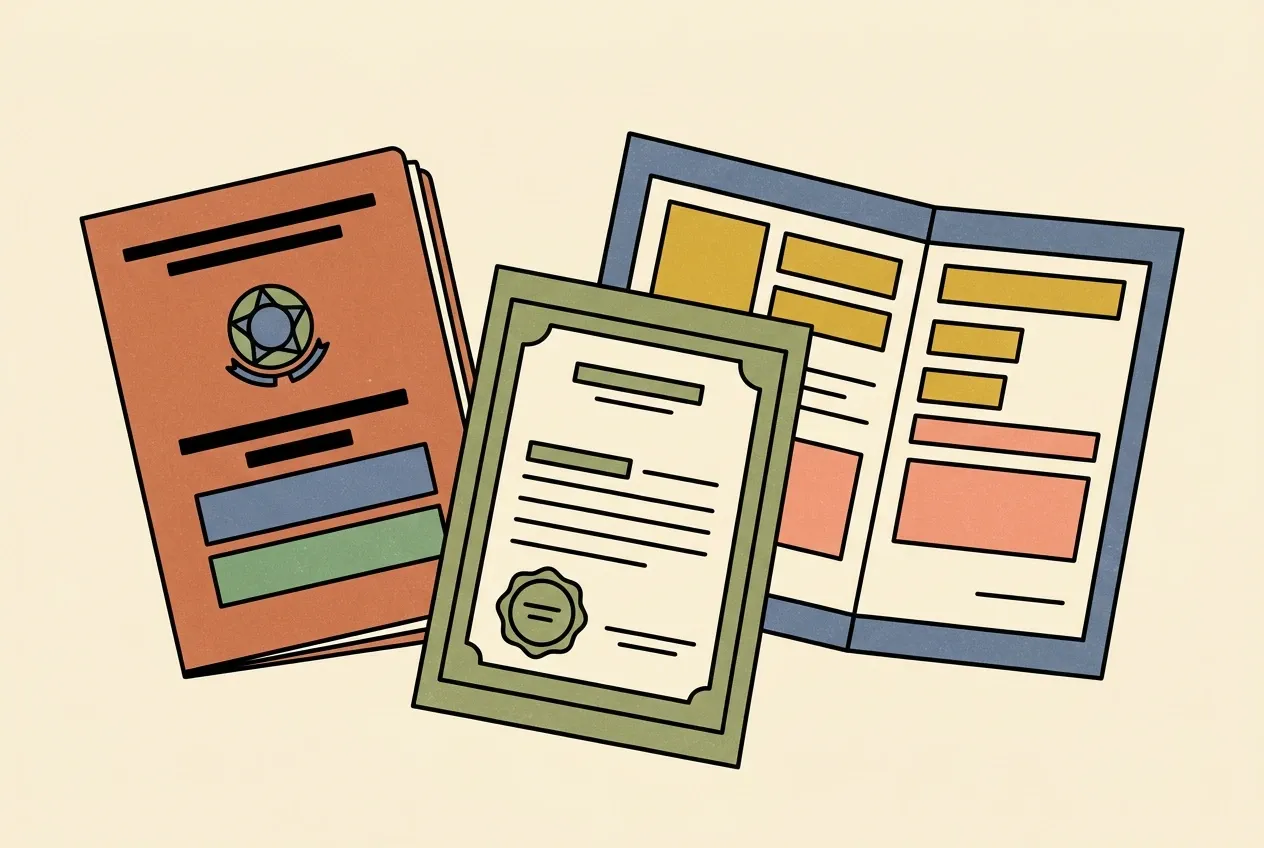
- Verification of the child’s documents (passport, birth certificate)
- Drafting and signing of the authorization by legal guardians
- Notarization of signatures
- In some cases, translation or apostille of documents
- Confirmation of the specific rules set by the chosen airline
Each step requires careful attention to detail to avoid any issues at the time of boarding.
Pontal Brazil Can Help You Through This Process
We understand that handling documentation for children can be stressful, especially when you are far from Brazil and unfamiliar with all the requirements involved. Pontal Brazil has experience helping Brazilian families in the United States prepare the necessary paperwork for minors traveling abroad, whether accompanied or not.
If you have a minor who will be traveling unaccompanied, you are welcome to visit us in person or give us a call to find out how to handle this process correctly. Our team speaks Portuguese and is ready to guide you through every step, making sure everything is in order before the trip.