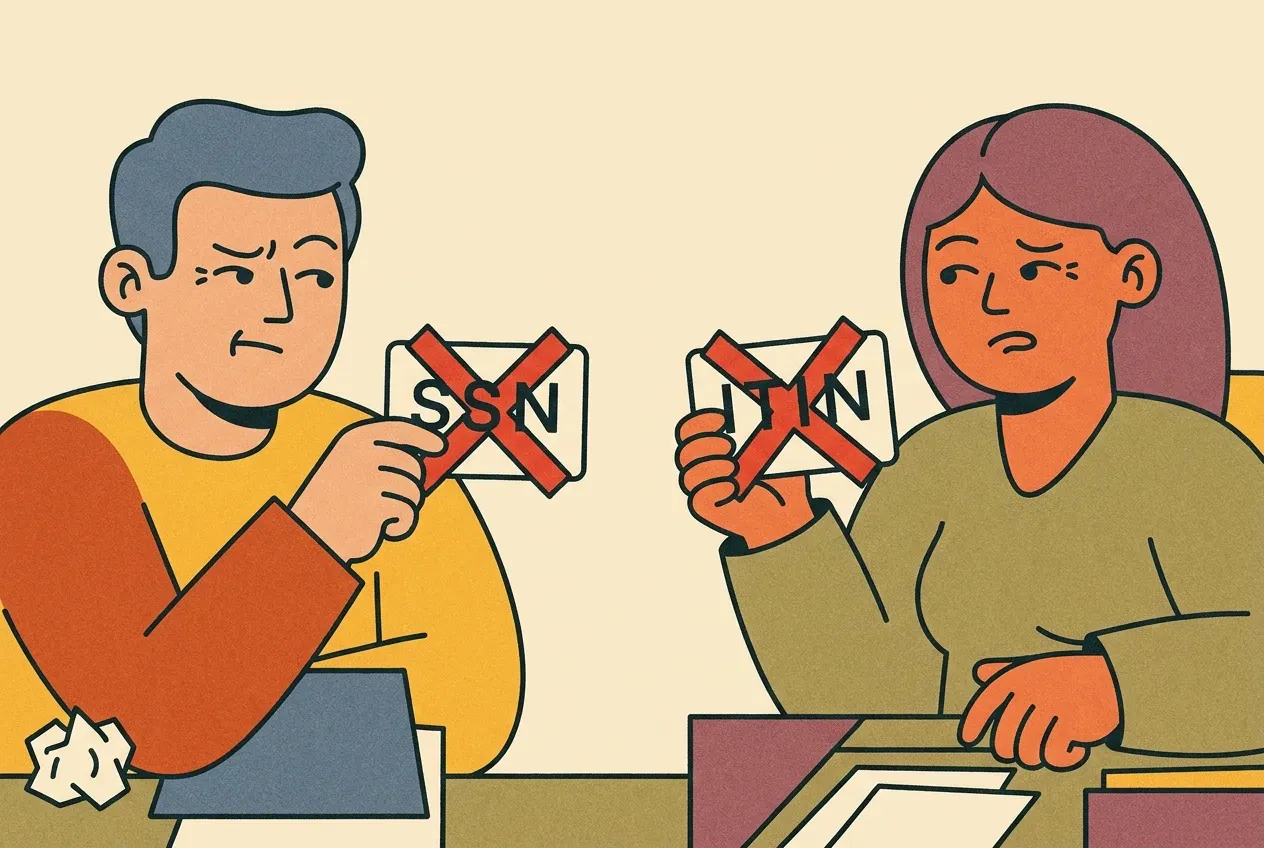
Avoid Double Taxation with the Tax Exit Declaration
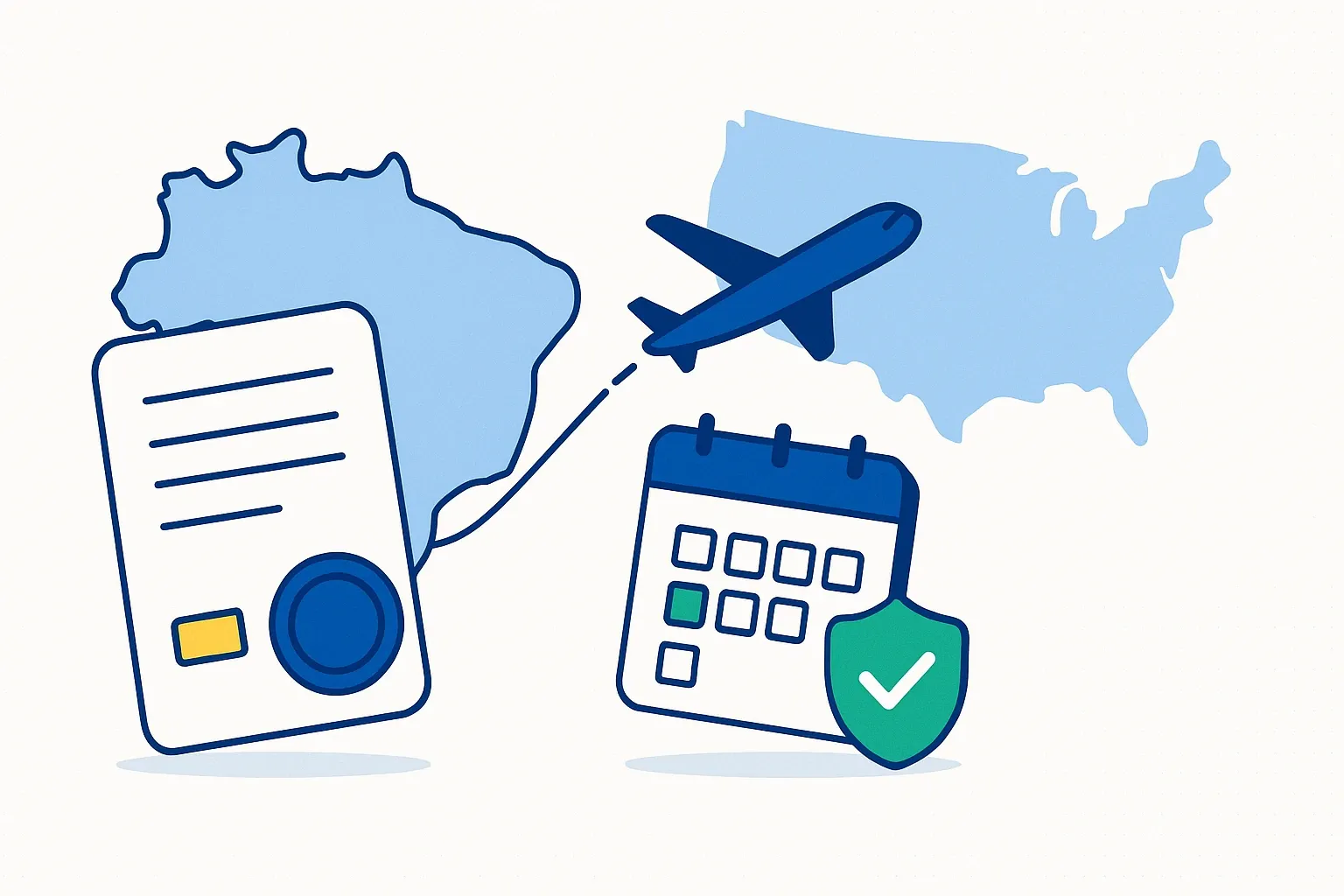
What Is the Tax Exit Declaration?
The Declaração de Saída Definitiva do País (DSDP) and the Comunicação de Saída Definitiva do País are documents from Brazil’s Federal Revenue Service that officially record that you left Brazil to live abroad. By reporting your move, you become subject to non-resident tax rules in Brazil. This is important for organizing your tax obligations and avoiding future problems.
Who Needs to File and When You Become a Non-Resident
You need to notify and file if you leave Brazil permanently or if you left temporarily and have been abroad for 12 consecutive months (without having submitted the notification earlier). In general, non-resident status takes effect on the date of departure (if it was permanent and reported) or the day after you complete 12 months of absence. There are also 183-day rules for those who enter on a temporary visa.
Notification vs. Declaration: What’s the Difference?
- Comunicação de Saída Definitiva do País (Exit Notification): This is the initial notice to the Federal Revenue Service that you have left to live abroad.
- Declaração de Saída Definitiva do País (DSDP — Exit Declaration): This is the annual declaration that consolidates the information from the year of departure and regularizes your taxes.
The notification does not exempt you from submitting the DSDP the following year, within the income tax filing deadline.
Typical Deadlines
- Notification: From the date of departure (or the date you become a non-resident) until the last day of February of the following year.
- DSDP: Within the same deadline as the annual Income Tax Return (IRPF) of the following year. In 2025, for example, the deadline was extended to May 30, 2025. Deadline extensions may occur, so it is important to check each year.
Why Do It? Avoid Fines and Double Taxation
Regularizing your tax exit helps to:
- Make it clear that you are no longer a tax resident of Brazil;
- Avoid undue charges and potential fines;
- Align your taxation with your new country of residence so you don’t pay double taxes on the same income. In other words, notifying and declaring your permanent departure makes your financial life abroad much easier.
“Tax Exit” and “Tax Exit Declaration”
Many people refer to this process as a “tax exit.” The “tax exit declaration” (as some search for it) refers to the DSDP. The official name is Declaração de Saída Definitiva do País, and it comes after the Notification.
Information Typically Requested
Without going into a step-by-step guide, the Federal Revenue Service commonly asks for basic information such as: CPF, the receipt number from your last income tax return, and your Voter Registration Card (Título de Eleitor). Having this information on hand speeds up the process.
I Left Brazil Years Ago and Never Filed. What Now?
It is possible to adjust the situation, including filing notifications and declarations from previous years, depending on the case. Reviewing your history (departure dates, income, assets) helps determine the best strategy to regularize and reduce the risk of fines.
I Have Income in Brazil. How Does That Work?
As a non-resident, the taxation rules change: income from Brazilian sources is typically subject to specific withholding tax. Income from abroad, in general, is no longer included in the non-resident’s Brazilian income tax base. Each case deserves review to avoid errors or double taxation.
How to Get Assistance with the Tax Exit
The tax exit may seem simple at first glance, but it involves details that vary according to your personal and financial situation. That’s why having the support of specialized professionals can be key to:
-
Avoiding errors in the declaration;
-
Meeting all legal deadlines;
-
Ensuring that you don’t pay double taxes;
-
Avoiding fines or pending issues with the Federal Revenue Service.